DRIVEWAY SEALCOATING:A HOMEOWNER'S GUIDE
Why driveway sealcoating matters, how the process works, what to look for in a contractor, and how to protect your asphalt investment for years.
TheBig Picture
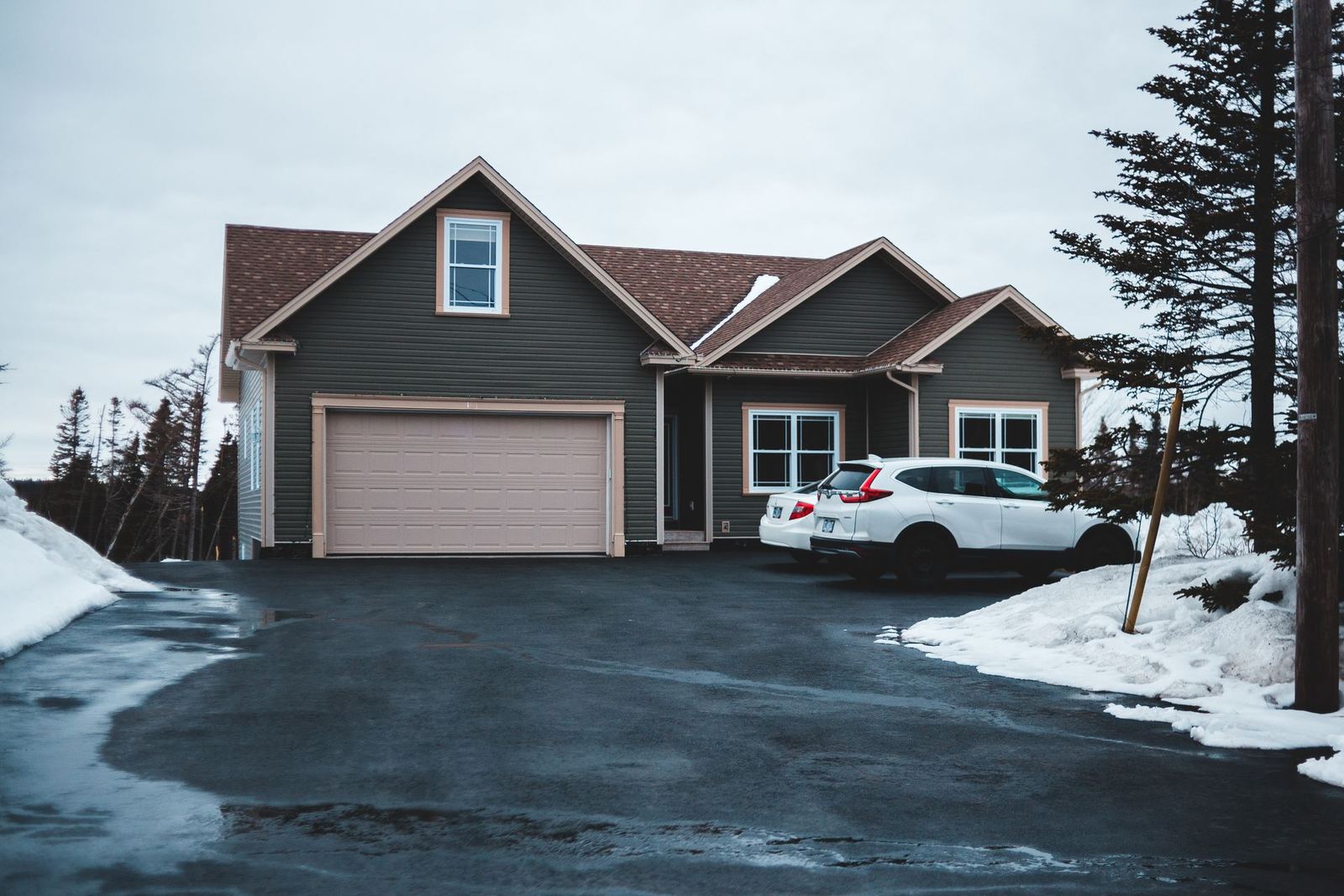
Your driveway is one of the first things guests see. It's also expensive to replace. Regular sealcoating keeps your driveway looking sharp and, more importantly, protects the asphalt from UV damage, water penetration, and the Idaho freeze-thaw cycle that destroys neglected pavement.
This guide covers why sealcoating matters, what the process involves, what to look for in a contractor, and what separates quality work from the fly-by-night residential operations that give the industry a bad name.
The HomeownerPlaybook
Why Driveway Sealcoating Matters
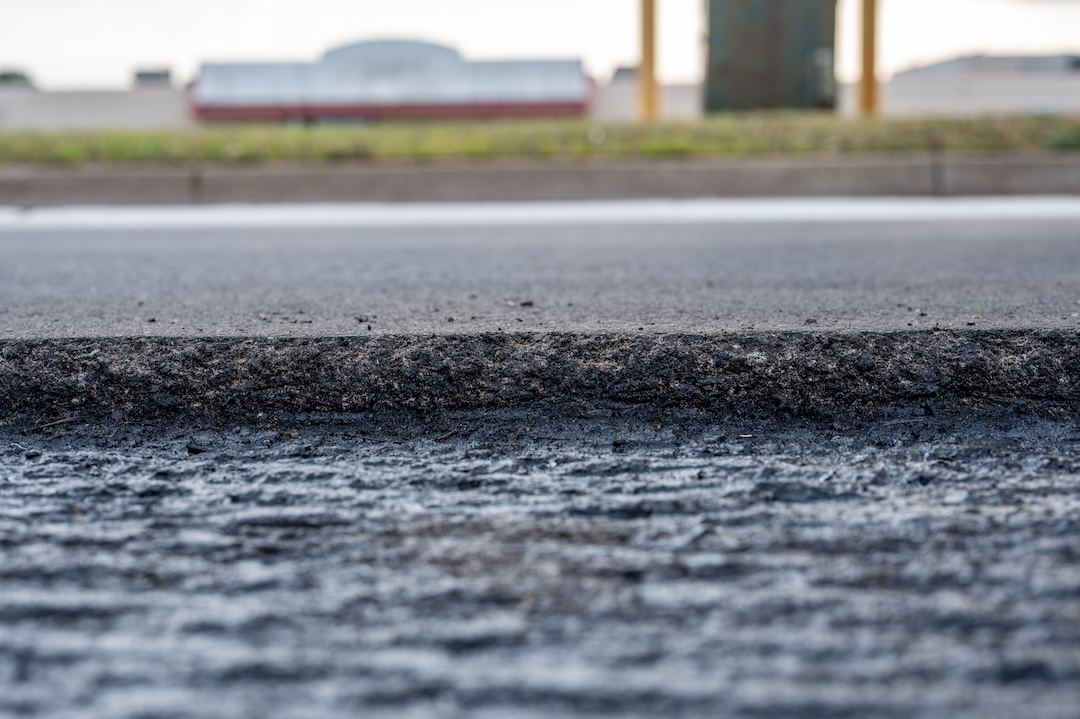
Asphalt is a petroleum product. UV light breaks it down. Water penetrates cracks and erodes the base. Freeze-thaw cycles expand cracks into potholes. Left alone, a driveway that could last 20 years fails in 10. Sealcoating blocks UV damage, seals hairline cracks, and restores the dark black appearance of fresh asphalt.
How the Process Actually Works
A proper residential sealcoating job takes a few hours of work, but you should stay off the driveway for 24 hours to let the sealer cure. The real process: walk the driveway to identify cracks and oil spots, clean the surface of debris and stains, fill cracks with hot-applied rubberized sealant, and apply two coats of commercial-grade sealer with proper cure time between coats.
What to Look for in a Contractor
Ask what sealer they use. Commercial-grade coal tar or asphalt emulsion is what you want. Avoid generic consumer sealer. Ask about coats (two coats with cure time is the standard). Ask about licensing and insurance. Ask about crack filling before sealcoating. Ask for an in-person estimate; drive-by quotes are a red flag.
When to Sealcoat
Fresh asphalt should wait 6-12 months before first sealcoating. After that, every 2-3 years is the right cycle. Weather matters. Sealcoating requires dry conditions and temperatures above about 50°F for proper curing. In the Treasure Valley, this generally means late spring through early fall.
WhatTo Remember
- Sealcoating every 2-3 years extends driveway life significantly.
- Professional-grade coal tar or asphalt emulsion sealers are worth the price difference.
- Two coats with proper cure time is the professional standard.
- An in-person estimate is the best protection against sketchy operators.
- Simple habits between sealcoatings extend the investment.
ServicesFeatured
Ready to ProtectYour Pavement?
Tell us about your sealcoating, repair, or striping project and we will reach out to schedule a free in-person estimate.