ASPHALT REPAIR OPTIONS:WHAT YOU NEED AND WHEN
Cracks, potholes, and surface failures each require different repair approaches. A practical framework for diagnosing your pavement problem and choosing the right fix.
TheBig Picture
Asphalt degrades in stages. Hairline cracks, then widening cracks, then alligator cracking, then potholes, then base failure. The right repair at each stage costs a fraction of waiting. Waiting is almost always the more expensive option.
This guide covers the four categories of asphalt repair, what each addresses, when to use them, and how they fit into a longer-term maintenance plan.
Choose TheRight Repair
Crack Filling: First Line of Defense
Crack filling uses hot-applied rubberized sealant to stop water from reaching the base. It's the cheapest repair you can do, and it prevents almost every other repair. Cracks up to about a half-inch wide can be filled. Wider cracks usually require patching because the underlying structure has shifted.
Asphalt Patching: Broader Damage
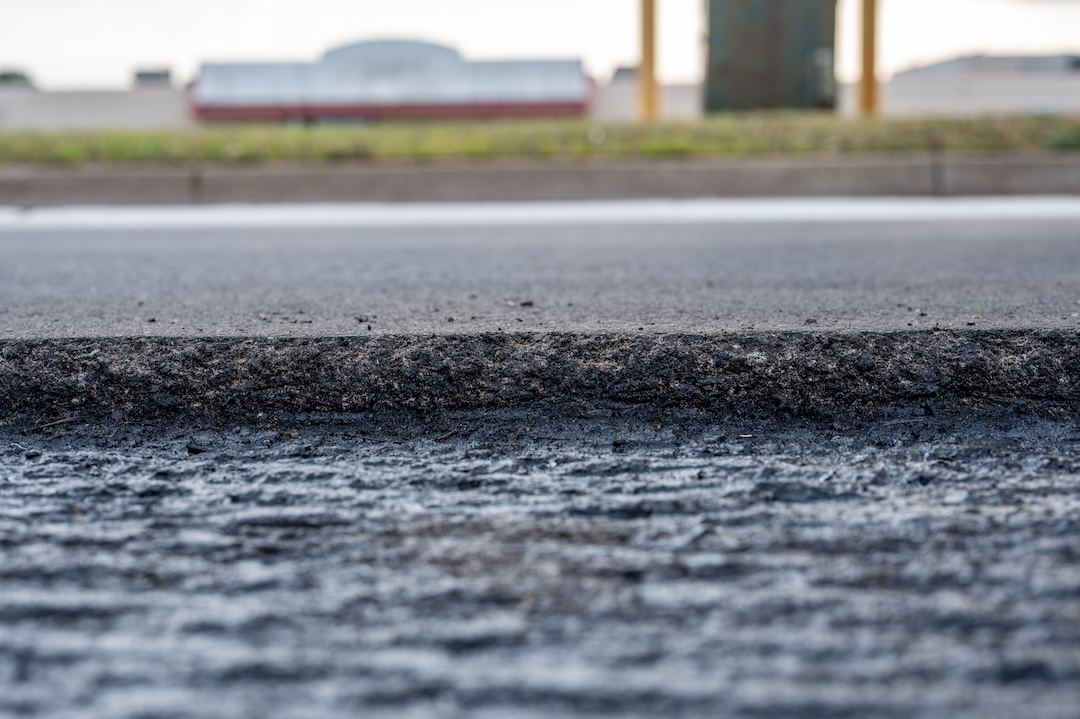
Patching addresses damaged sections where cracking has progressed, aggregate is loose, or the surface is failing. The process involves cutting out the bad section, preparing the base, and installing new hot mix or cold patch properly compacted. Patching is the right choice when damage is localized but too extensive for simple crack filling.
Pothole Repair: Act Fast
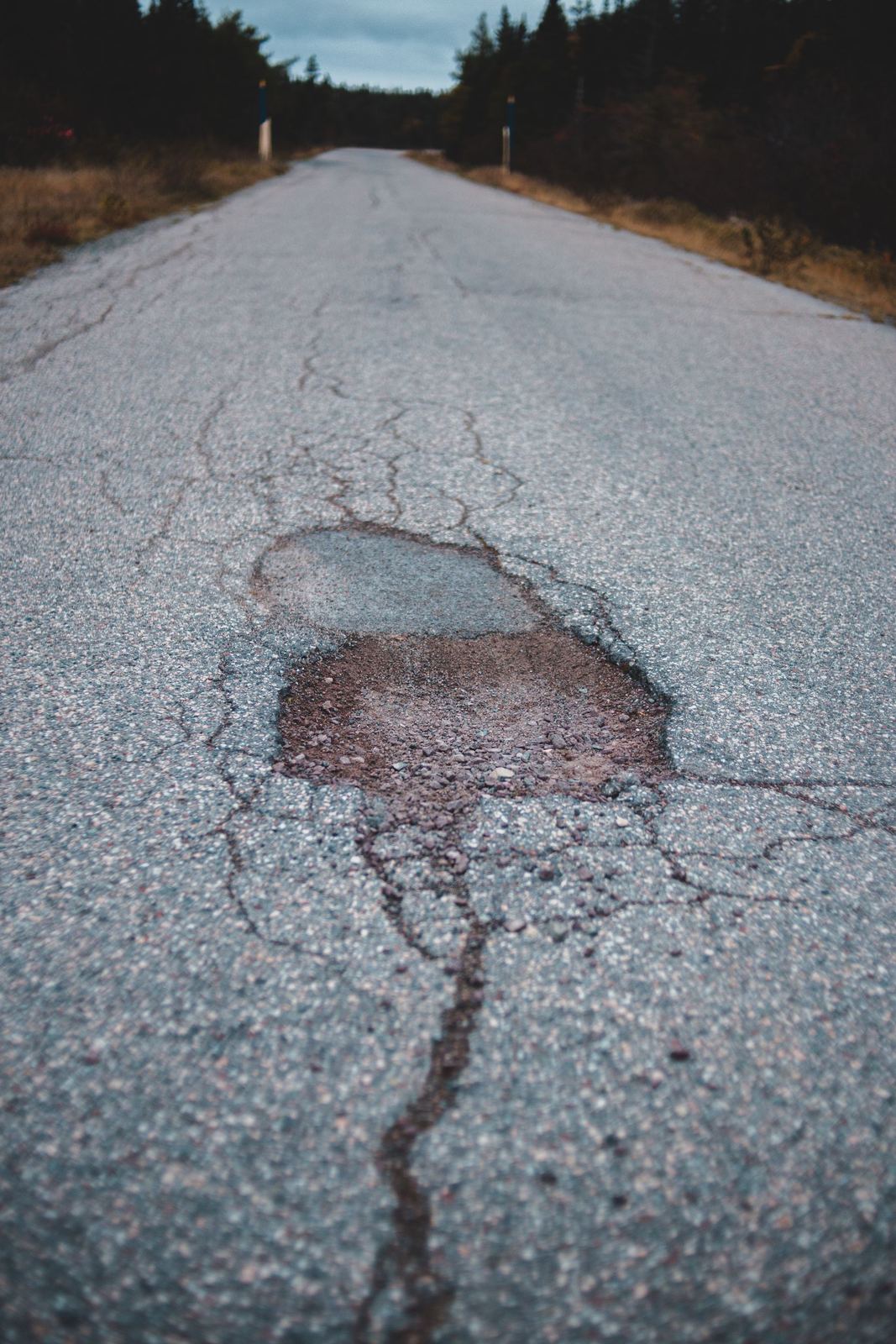
Potholes are a liability. They damage vehicles, risk pedestrian injuries, and get worse with every vehicle that hits them. Proper pothole repair is cut-and-replace. The failed asphalt is fully removed, base prepared, and new material installed and compacted. Quick-fill patches fail within a season.
Full Replacement: When Repair Isn't Enough
If more than 20-25% of your asphalt surface is failing, or the base has failed beneath significant areas, full replacement is often cheaper than continued repair. Supreme Seal Coat does not perform full asphalt replacement, but we'll tell you honestly when that's what your pavement needs.
WhatTo Remember
- Asphalt fails in stages; each stage costs more than the previous to fix.
- Crack filling is the cheapest repair and prevents most others.
- Patching and pothole repair should always be cut-and-replace, not surface fills.
- If over 20-25% of pavement is failing, full replacement may be cheaper than continued repair.
- Walking your property and mapping damage is the best first step.
Ready to ProtectYour Pavement?
Tell us about your sealcoating, repair, or striping project and we will reach out to schedule a free in-person estimate.